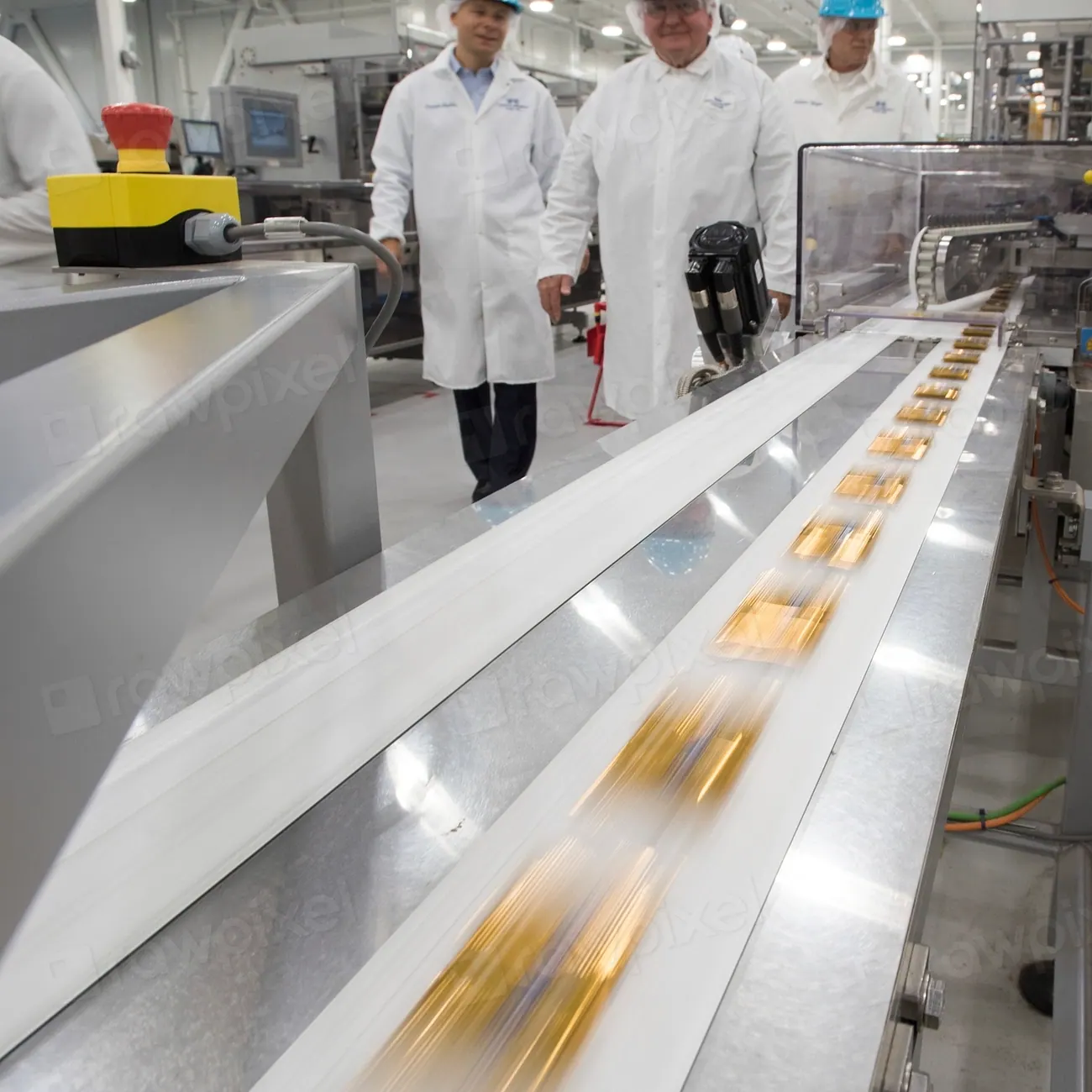
Robotics in food production
A cooking cell is a motion problem, a food safety problem and a thermal problem at once. It sits inside our four fields, and we have a sister brand in the group that sells the result.
Where we work
They are not four businesses. A cargo cycle, a battery pack, a model that decides when to charge and the board it runs on are one problem seen from four sides, and the same record covers all of it.
01. Electric vehicles
Most electric vehicle projects fail on thermal behaviour or on a charging interface that a standard moved under. Both are visible in the record years before they bite, because someone already hit them and filed about it.
We work on pack architecture, cell selection against a measured duty cycle, the battery management strategy, and the charging interface with the standards that govern it. Type approval and CE are planned from the first sketch rather than discovered in month nine.
02. Electric transport
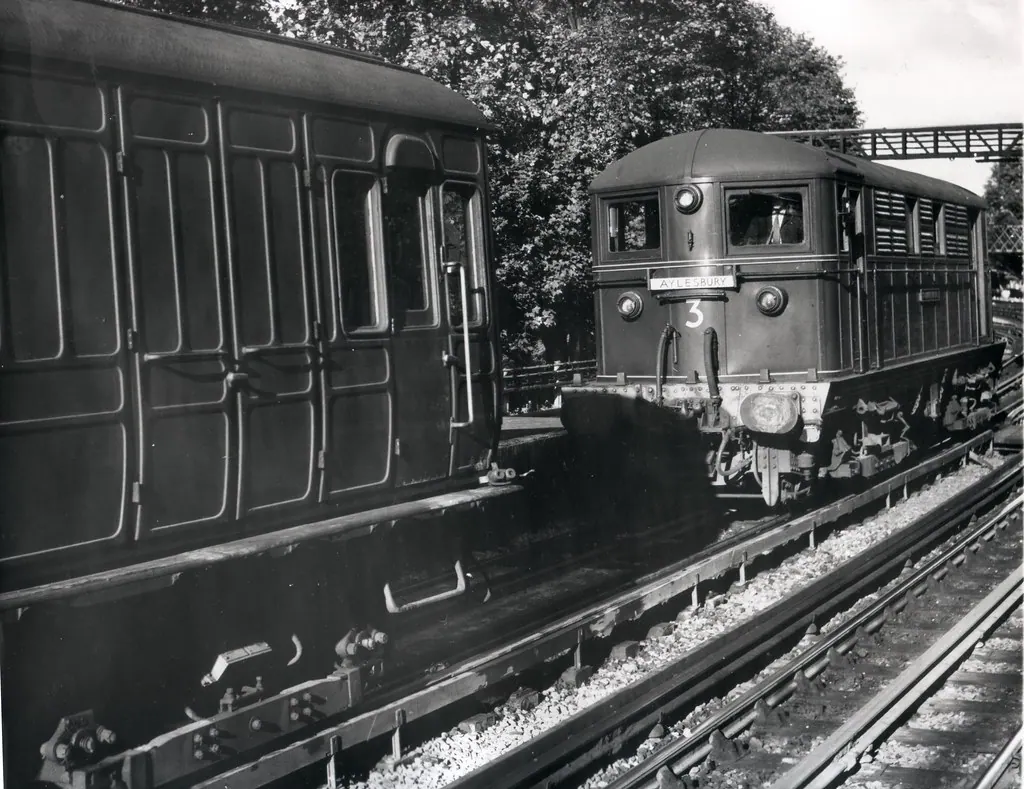
Light commercial vehicles, cargo cycles, rail, port and yard equipment. The economics here are decided by the depot rather than by the vehicle, and the grid connection is usually the constraint nobody costed.
We measure the duty cycle instead of assuming it, size the charging behind it, and produce a total cost that survives being read by an accountant rather than by an enthusiast.
03. Artificial intelligence
A model in a vehicle or on an industrial device answers for its output. That changes the engineering: the evaluation set has to be yours, the failures have to be enumerated before launch, and the fallback when the model is unsure has to exist in the product rather than in the roadmap.
We build on device and edge inference, we evaluate against data you hold and can rerun, and we settle the EU AI Act role of the system before it ships instead of after a customer asks.
04. Hardware
Schematic, layout, a board that boots, an enclosure that closes and firmware that survives a power cut. The unglamorous half of innovation, and the half that decides whether any of the rest ever ships.
We pre test for EMC and safety before a booked slot at a test house, because a failed slot costs more than the pre test and moves the launch by a quarter.
A cooking cell is a motion problem, a food safety problem and a thermal problem at once. It sits inside our four fields, and we have a sister brand in the group that sells the result.
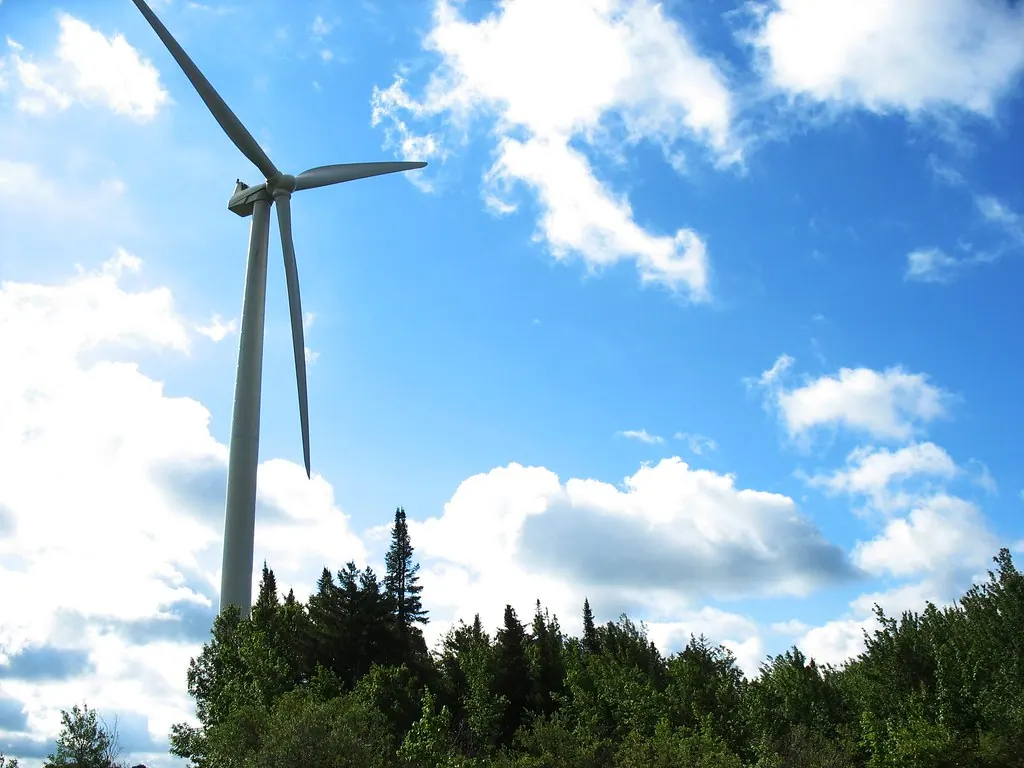
Stationary storage is a vehicle pack that stopped moving. The cells, the management and the safety case are the same argument with a different duty cycle.
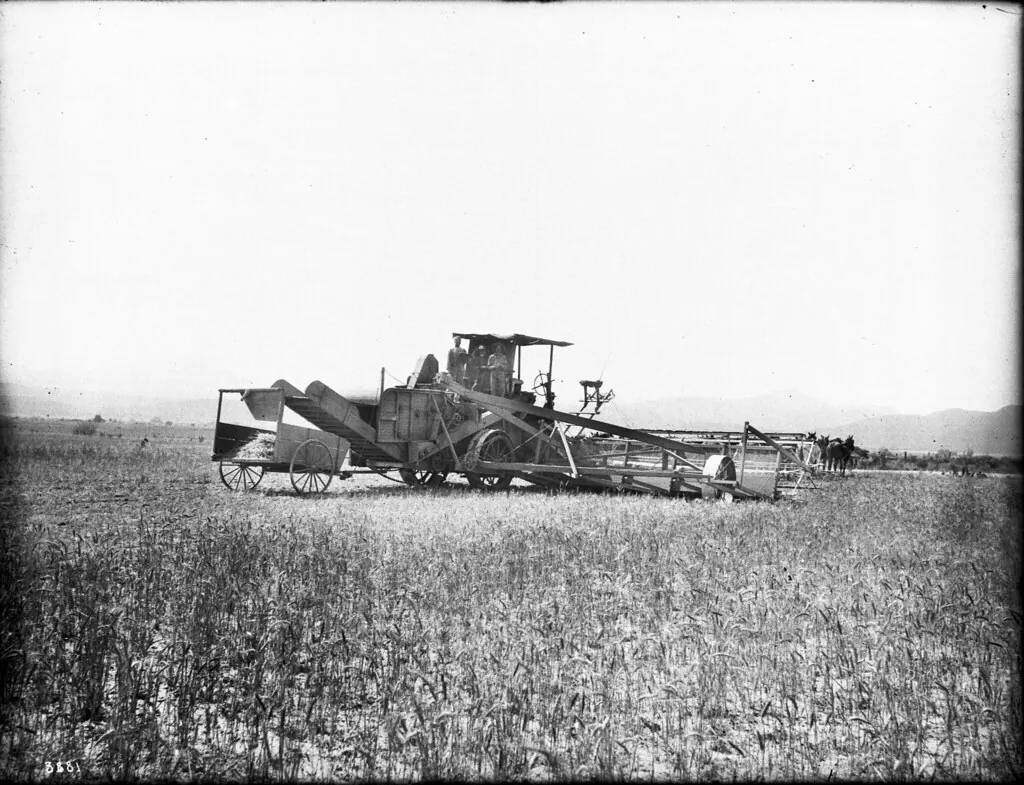
Sensors, power electronics and a model that decides. Different industry, identical stack, and the record is much emptier than in automotive.
The engineering underneath
Cells, heat, a connector, a grid connection, a depot, a board, an enclosure, a chamber, a sensor, a bench, a network and the device it runs on. Different industries, the same dozen problems.
If it is next door to one of them, ask anyway. If it is genuinely somewhere else we will say so quickly.